




27 Oct Why Accurate Floor Plans Are Essential Before Starting Any Interior Design Work
Embarking on an interior design project is an exciting journey. You envision a space that is beautiful, functional, and a true reflection of your personality. However, before you start picking out paint colors or shopping for furniture, there is a foundational step that simply cannot be skipped: creating an accurate floor plan. A detailed architectural drawing is the blueprint for your entire project, and without it, you risk costly mistakes, frustrating delays, and a final result that falls short of your vision. For homeowners and businesses alike, leveraging professional floor plan services in Delhi is the first and most critical move toward a successful interior transformation.
What is a Floor Plan and Why Does Accuracy Matter?
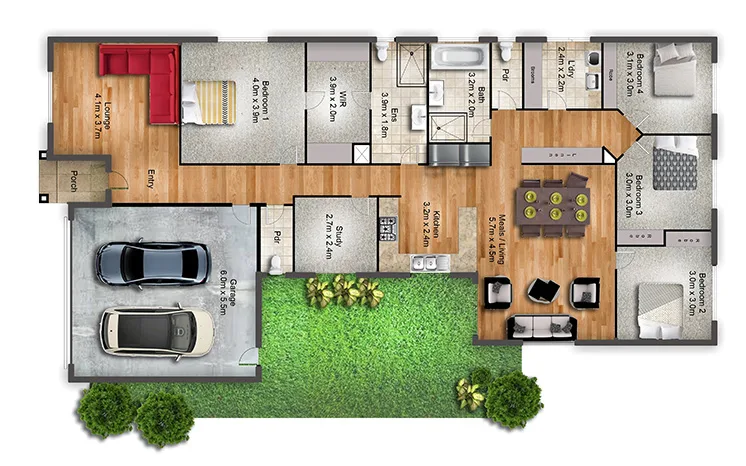
A floor plan is a scaled diagram of a room or building viewed from above. It shows the layout of a space, including walls, windows, doors, and permanent fixtures like staircases and fireplaces. More detailed plans can also include measurements, furniture layouts, electrical outlets, and plumbing fixtures.
But why is accuracy so paramount? An inaccurate floor plan is worse than having no plan at all. Imagine purchasing a custom-made sofa only to find it won’t fit through the doorway, or realizing your dream kitchen island leaves no room to open the refrigerator. These are not just minor inconveniences; they are expensive and time-consuming problems that stem from poor initial planning.
Accuracy ensures that every element of your design fits and functions together harmoniously. It transforms your design from a collection of ideas into a workable, buildable reality.
The Dangers of Inaccurate Measurements
- Budget Overruns: Incorrect measurements lead to ordering the wrong amount of materials, like flooring or paint. It can also mean custom-built furniture or cabinetry needs to be remade, significantly increasing costs.
- Project Delays: Discovering a measurement error mid-project can bring everything to a halt. Sourcing new materials or re-fabricating items takes time, pushing back your completion date.
- Compromised Design: When an element doesn’t fit, you are forced to make compromises. This might mean settling for a smaller piece of furniture, altering a layout in a way that hurts functionality, or abandoning a design feature you loved.
- Safety Hazards: Inaccurate plans can lead to layouts that obstruct emergency exits, create cramped walkways, or place fixtures in unsafe positions, violating building codes and endangering occupants.
The Role of a Floor Plan in the Interior Design Process
A precise floor plan is not just a drawing; it is a communication tool, a planning guide, and a problem-solving instrument used at every stage of the design process.
Stage 1: Conceptualization and Space Planning
This is where your vision begins to take shape. An accurate floor plan is the canvas on which you and your designer can explore different layouts.
- Visualizing Flow and Functionality: How will people move through the space? Is there a clear path from the kitchen to the dining area? Is the living room layout conducive to conversation? A floor plan allows you to test these scenarios virtually.
- Furniture Arrangement: You can experiment with placing furniture to scale, ensuring each piece fits perfectly without overcrowding the room. This helps you understand the spatial relationships between objects and create a balanced, comfortable environment.
- Defining Zones: In open-concept spaces, a floor plan helps you visually define different zones for activities like dining, lounging, and working.
Stage 2: Detailed Design and Material Selection
Once the layout is finalized, the floor plan becomes the guide for all subsequent design decisions.
- Electrical and Lighting Plans: Deciding where to place outlets, switches, and light fixtures is crucial for functionality. A floor plan ensures they are positioned logically, like having an outlet next to a bedside table or placing pendant lights perfectly centered over a dining table.
- Material Quantification: With exact measurements, you can calculate the precise amount of flooring, tile, wallpaper, and paint needed. This prevents waste and ensures you order enough to complete the job, avoiding issues with mismatched dye lots.
- Custom Cabinetry and Built-ins: For kitchens, bathrooms, and storage solutions, custom work requires millimeter precision. The floor plan serves as the definitive guide for cabinet makers and carpenters, guaranteeing a perfect fit.
Stage 3: Construction and Implementation
During the execution phase, the floor plan is the master document for all contractors and tradespeople.
- Clear Communication for Contractors: The floor plan provides unambiguous instructions for builders, electricians, plumbers, and painters. It ensures everyone is working from the same page, minimizing confusion and errors.
- Project Management: Your designer and project manager use the floor plan to coordinate schedules and ensure tasks are completed in the correct sequence. It acts as a checklist to track progress and verify that work is being done according to the design.
- Building Code Compliance: Professional floor plans are drafted to comply with local building codes and regulations, ensuring your project is not only beautiful but also safe and legal.
How to Get an Accurate Floor Plan
Creating a truly accurate and professional floor plan requires more than a simple tape measure and a piece of graph paper. While a DIY sketch can be a good starting point for your own ideas, a professional project demands a professional approach.
1. Manual Measurement and Drafting
A trained professional will meticulously measure every wall, door, window, and architectural feature. They use specialized tools to ensure precision. These measurements are then translated into a digital format using CAD (Computer-Aided Design) software. This method is reliable but can be time-consuming.
2. 2D and 3D Laser Scanning
The most advanced and accurate method involves using 3D laser scanners. These devices capture millions of data points to create a “point cloud” of the space. This data is then used to generate highly detailed and dimensionally perfect 2D floor plans and 3D models.
- Unmatched Accuracy: Laser scanning captures details down to the millimeter, eliminating human error.
- Speed and Efficiency: A full property can be scanned in a fraction of the time it takes to measure manually.
- Comprehensive Data: The scan captures everything, including ceiling heights, wall straightness, and the exact position of all fixtures, providing a complete digital twin of your space.
Investing in professional floor plan services that utilize this technology is the surest way to start your project on a solid foundation.
The ROI of Professional Floor Plan Services
It can be tempting to see a professional floor plan as an extra expense, but it is actually a smart investment that saves you money in the long run. The cost of fixing a single mistake caused by an inaccurate plan—like reordering a custom countertop or rerouting plumbing—can easily exceed the cost of the plan itself.
Consider the benefits:
- Avoid Costly Rework: Eliminate mistakes before they happen.
- Accurate Material Orders: Buy exactly what you need, reducing waste.
- Smooth Project Execution: Prevent delays and keep your project on schedule.
- Better Design Outcomes: Achieve a more functional, beautiful, and cohesive final result.
- Increased Property Value: A well-designed space, documented with professional plans, can increase the resale value of your property.
An accurate floor plan empowers you and your design team to make informed decisions, foresee challenges, and execute a vision with confidence. It bridges the gap between imagination and reality. Before you knock down a wall or order a single piece of furniture, ensure you have this essential tool in hand. A successful design project doesn’t happen by chance; it happens by plan. For a seamless and successful renovation in the National Capital Region, the smart choice is to begin with expert floor plan services in Delhi.
Ready to start your interior design project the right way? Contact Tanasha Interior today for a consultation. Our team provides precise and detailed floor plans that set the stage for a stunning and successful transformation.
Visit: tanashainterior.com
Contact: +91 96506 06899
Email: radedesignstudio@gmail.com

Sorry, the comment form is closed at this time.